The first dental visit lays the foundation for a lifetime of oral health. Current guidelines recommend that this visit take place within six months of the first baby tooth erupting, and no later than the child's first birthday. Samsun pediatric dentist Assoc. Prof. Dr. Sezin Özer plans this first session not as a treatment appointment but as a session of introduction, playful familiarization and parent education.
When should the first visit be? The first tooth, first birthday rule
Professional organizations share one clear recommendation: a child's first dental visit should take place within six months of the first baby tooth appearing in the mouth, and no later than the first birthday. Evidence shows that this early introduction reduces the incidence of early childhood caries, also known as baby bottle tooth decay.
This timing also marks the beginning of the dental home concept: dentistry stops being a place you go only when there is pain or decay, and becomes a health base that regularly monitors, protects and guides the child as they grow.
What happens at the first session?
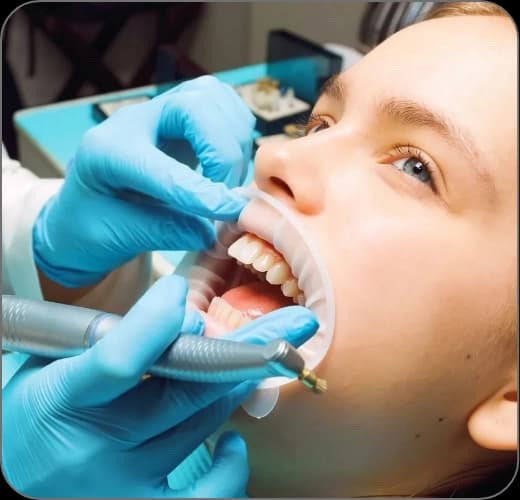
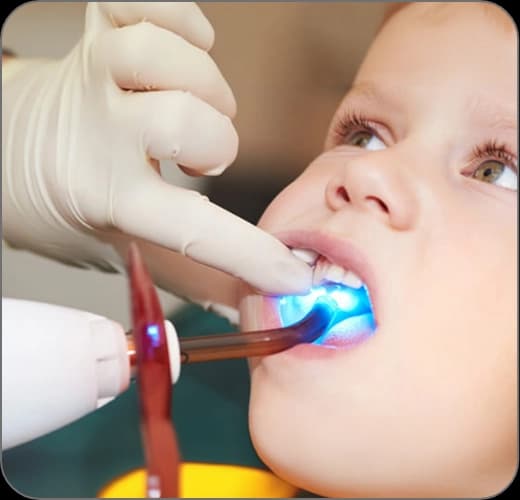
The purpose of the first session is not treatment but getting acquainted. The child explores the clinic, tries sitting in the chair and experiences the mirror and the light as if they were toys; meanwhile Assoc. Prof. Dr. Sezin Özer uses a tell-show-do approach to explain every step in language the child can understand.
When the child is ready, the teeth and surrounding tissues are gently examined; the development of the baby teeth, the gums and the jaw structure are assessed. This is accompanied by a caries risk assessment that sheds light on the child's future dental health. X-rays are not taken routinely; they are only considered when the examination findings make them necessary.
Advice given to parents at the first visit
One of the most valuable outcomes of the first visit is parent education. Assoc. Prof. Dr. Sezin Özer offers guidance on topics families can apply directly in daily life:
- How to wipe a baby's gums with a clean piece of gauze
- Ways of coping with the restlessness of the teething period
- Preventing baby bottle tooth decay and adjusting night-time feeding habits
- The age-appropriate amount of toothpaste and the right brushing technique
- The roles baby teeth play in chewing, speech and holding space for permanent teeth
The approach to children who fear the dentist
With anxious or shy children, trust is built without rushing. Assoc. Prof. Dr. Sezin Özer uses evidence-based behavior guidance techniques such as tell-show-do, positive reinforcement and modeling. If the child does not want to sit in the chair, they are never forced; if necessary, familiarization is spread over several short sessions.
In special situations where cooperation cannot be achieved, or when extensive treatment is required, a safe and comfortable treatment setting under sedation or general anesthesia can be planned. This option is assessed individually for each child's needs, including children with special needs.
Preparing at home before the appointment
A parent's attitude directly shapes how the first visit unfolds. Before the appointment, talking about the dentist as an ordinary, positive experience, reading children's books about the clinic or playing dentist at home lets the child's curiosity win out over fear.
It is important to avoid words such as needle, pain or scared — even in well-meant reassurances — because children can develop negative expectations when they hear them. It also helps the visit go calmly when parents take care not to project their own dental experiences onto the child.
The treatment, step by step
Preparation before the appointment
The family receives suggestions for preparing the child ahead of the visit; positive language and play-based preparation are the most important part of the process.
Introduction and playful familiarization
The child explores the clinic and gets to know the chair and the simple instruments through play; the first bond with the dentist is formed at this stage.
Gentle examination and risk assessment
The teeth, gums and jaw development are examined at a pace suited to the child; a caries risk assessment is carried out.
Parent guidance
The family receives personalized advice on topics such as feeding, brushing, pacifier and bottle habits.
Planning the check-up schedule
A regular check-up interval is set according to the child's risk level; if preventive treatments are needed, the next sessions are planned.