Braces treatment is the most established orthodontic method, applying gentle, controlled forces to the teeth through brackets bonded to them and the archwires that run through the brackets. At our clinic, braces treatments are planned together with our clinic's orthodontics specialist; in children and teenagers, the process runs alongside pediatric dentistry follow-up.
How do braces work?
Brackets and archwires deliver a continuous but gentle force to the teeth. This force stimulates biological remodeling of the bone surrounding the tooth roots, and the teeth move gradually in the planned direction. Because the movement is controlled and slow, the teeth and surrounding tissues adapt to the process.
Throughout treatment, the wires are adjusted at set intervals; at every check-up, tooth movement is assessed and the plan is updated when needed. Attending check-ups regularly is therefore a precondition for treatment progressing as planned.
When are braces recommended?
Because they are effective across a wide range of problems, braces remain the core tool of orthodontics. Their main areas of use include:
- Crowding and lack of space
- Gaps between the teeth
- Bite problems such as deep bite, open bite or crossbite
- Aligning teeth that have erupted off course or remained impacted
- Alignment problems accompanied by a narrow jaw
Metal and esthetic bracket options
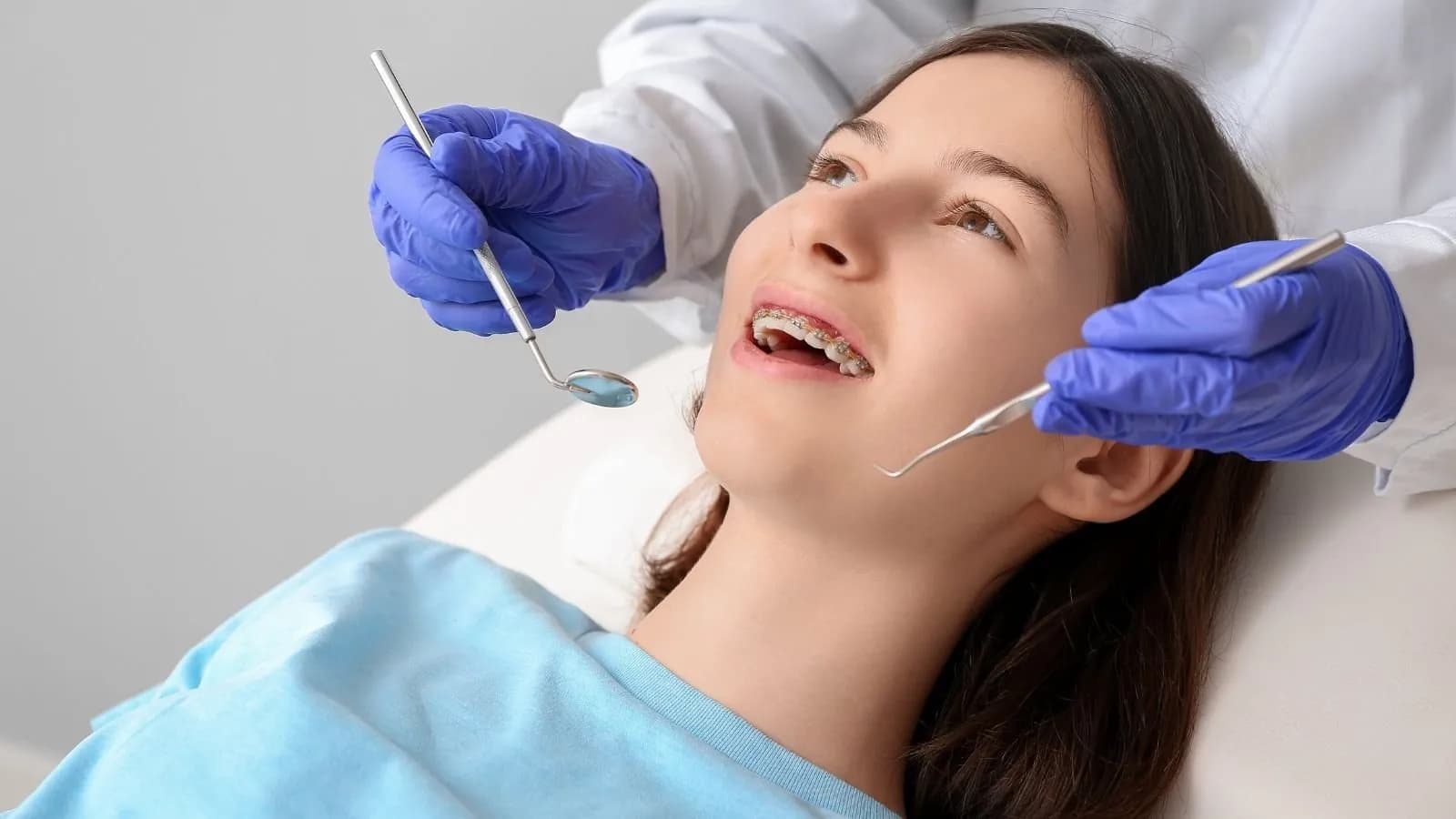
Classic metal brackets are the standard option with proven durability and effectiveness. For patients concerned about their appearance, tooth-colored ceramic (esthetic) brackets are an alternative.
Which bracket type is suitable is assessed by the orthodontics specialist according to the needs of the case, age and the patient's expectations. In some cases, clear aligner systems may also come into consideration; the decision is always made after an examination.
Care and eating habits during braces treatment
Because the area around the brackets is prone to plaque build-up, oral hygiene matters more than ever during braces treatment. Brushing after every meal, using interdental brushes and the fluoride toothpaste recommended by your dentist form the foundation for preventing decay and white spot lesions around the brackets.
Avoiding hard and sticky foods (such as nuts, chewing gum or biting into hard-skinned fruit) reduces bracket breakages. In children and teenagers, our clinic additionally monitors the risk of decay throughout braces treatment with pediatric dental check-ups; where needed, preventive measures accompany the treatment.
The treatment, step by step
Orthodontic examination
The teeth, bite and jaw relationship are examined; suitability for braces is assessed by the orthodontics specialist.
Records and plan
X-rays and impressions are taken; the bracket type and treatment goals are clarified together with the patient.
Placing the brackets
The brackets are bonded to the teeth and the first archwire is fitted; guidance on care and eating is provided.
Regular check-ups and adjustments
The wires are adjusted at set intervals; tooth movement and oral hygiene are monitored together.
Removing the braces and retention
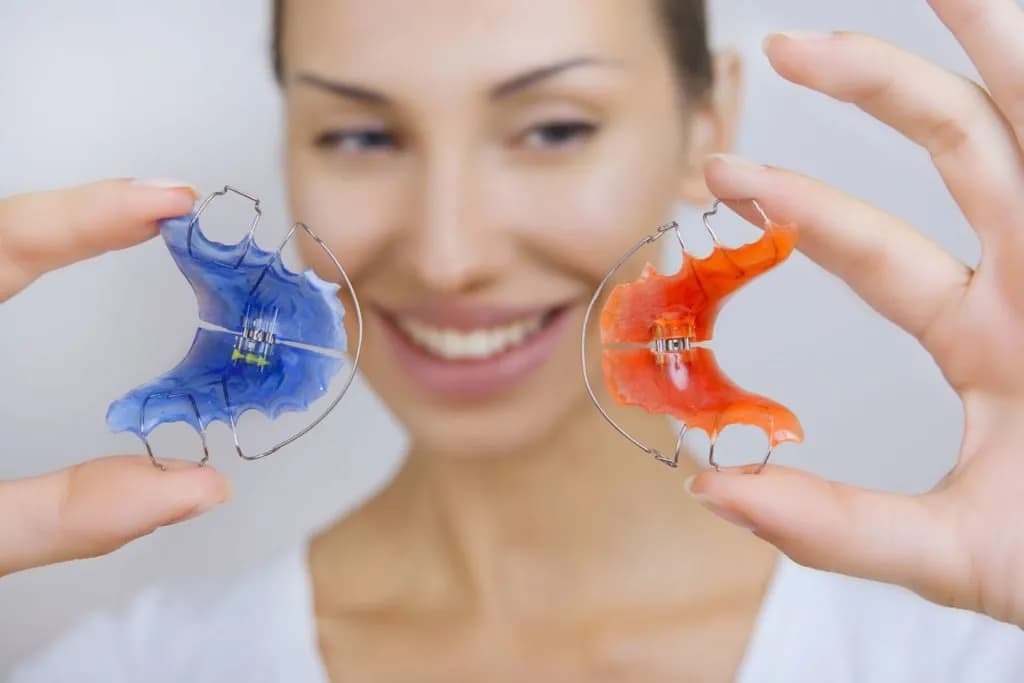
Once the target alignment is achieved, the brackets are removed; the result is preserved with retainers.