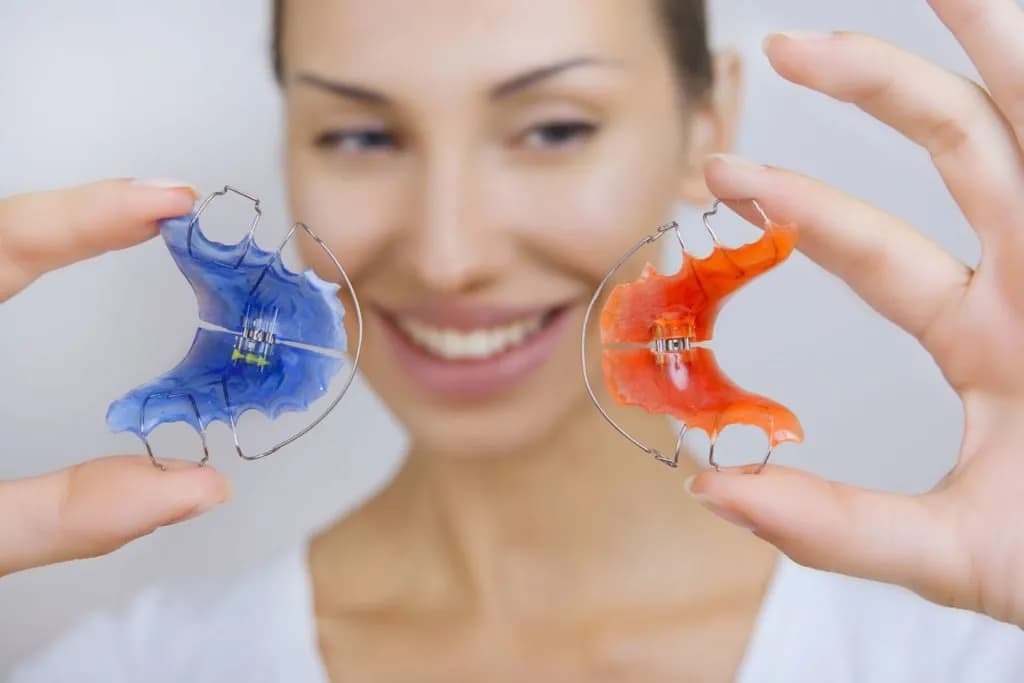
Orthodontics is the branch of dentistry concerned with aligning the teeth, harmonizing the jaws and correcting the bite. At our clinic, orthodontic treatments are planned together with our clinic's orthodontics specialist; for our young patients, the process is integrated with Assoc. Prof. Dr. Sezin Özer's pediatric dentistry perspective and ongoing growth and development monitoring.
What is orthodontic treatment and which problems does it address?
Orthodontic treatment applies gentle, controlled forces to the teeth and jaws to move the teeth into their correct positions and improve the relationship between the jaws. The goal is not only a straighter smile: well-aligned teeth are easier to clean, distribute chewing forces evenly and support speech and healthy jaw-joint function.
The main conditions assessed in an orthodontic evaluation include:
- Crowding (teeth overlapping due to lack of space)
- Unwanted gaps between the teeth
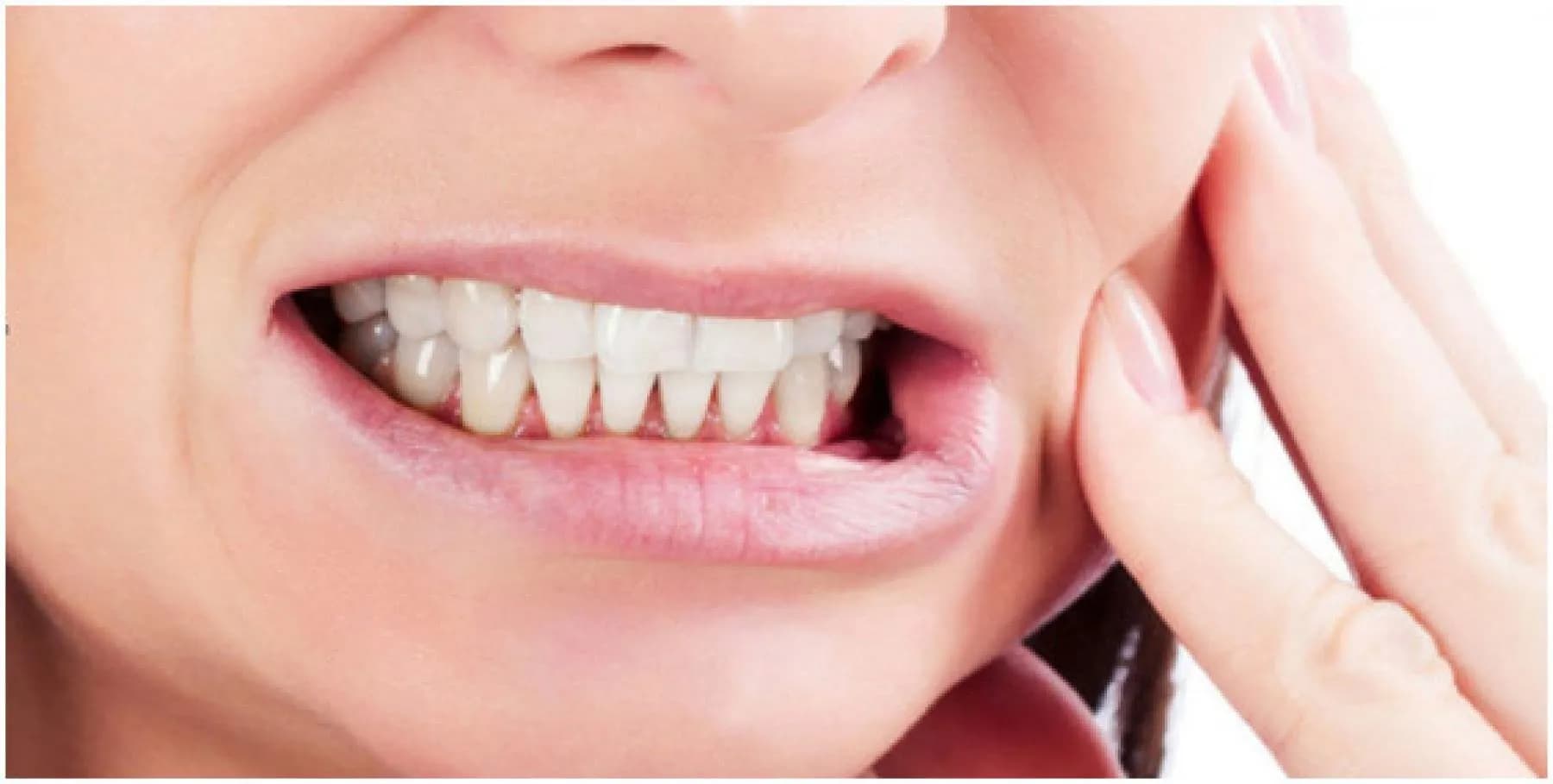
- Bite problems such as deep bite, open bite or crossbite
- A narrow upper jaw and jaw position discrepancies
- Space loss and eruption path problems following early loss of baby teeth
Why is early orthodontic evaluation important for children?
The widely accepted approach is for every child to have an orthodontic evaluation at around age 6-7. This coincides with the mixed dentition stage, when baby and permanent teeth are present together; because jaw and facial growth is still active, potential problems can be spotted early and growth can be guided in the right direction.
Early (interceptive) orthodontics covers correcting skeletal problems such as a narrow upper jaw, guiding permanent teeth into their correct positions, gaining or preserving space to prevent crowding, and managing habits such as thumb sucking. The right steps taken early often simplify any comprehensive treatment that may be needed later.
At our clinic, the orthodontic follow-up of young patients is carried out as a collaboration in which the pediatric dentistry and orthodontics perspectives are considered together; at every check-up, the dentition, the bite and jaw development are reviewed side by side.
Is orthodontic treatment possible for adults?
Age alone is not a barrier to orthodontic treatment; as long as the teeth and gums are healthy, teeth can be moved in adulthood as well. In adult patients, gum health, existing fillings and restorations, and the condition of the jaw joint are assessed in detail before treatment.
For adults, alongside conventional braces, esthetic brackets and clear aligner systems such as Invisalign are also among the options. Which method is suitable is decided case by case by the orthodontics specialist after the examination and records.
How does the orthodontic process work at our clinic?
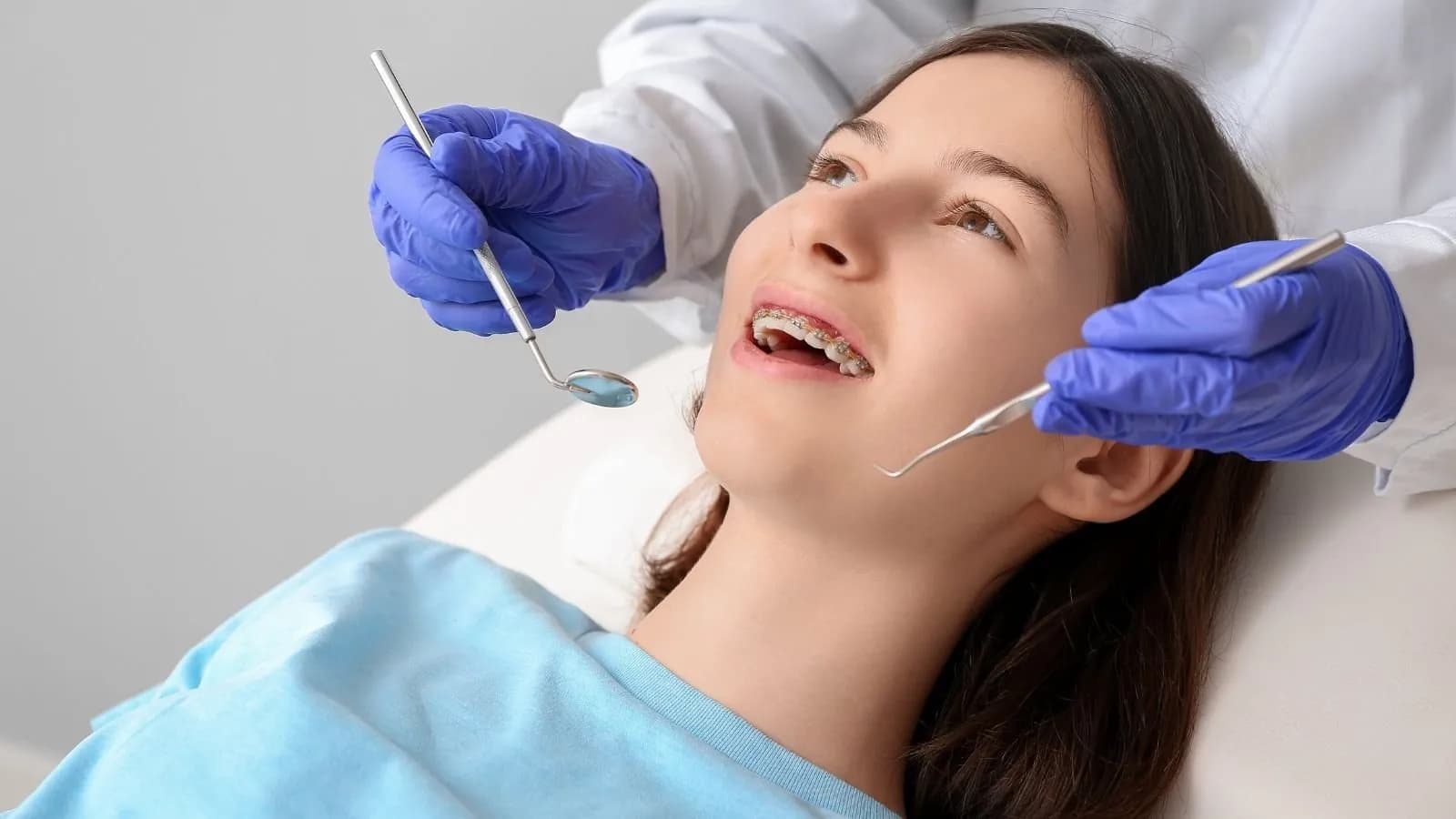
The process begins with a detailed clinical examination; where needed, records such as X-rays and digital impressions are taken. Analyzing these records leads to an individual treatment plan, and the options are discussed openly with the family or the patient.
During active treatment, progress is monitored through regular check-ups. Once treatment is complete, a retention phase begins to preserve the result achieved; this stage is as important for the long-term stability of the outcome as the active treatment itself.
The treatment, step by step
Examination and assessment
The dentition, bite and jaw development are examined clinically; in children, the growth stage is also assessed.
Records and analysis
The necessary X-rays and digital impressions are taken; the orthodontics specialist analyzes the records to refine the diagnosis.
Discussing the treatment plan
The suitable options (braces, appliances, clear aligners) are discussed with the family or the patient; the plan is agreed together.
Active treatment and check-ups
The chosen method is applied; tooth movement and oral health are monitored together at regular check-ups.
Retention phase
After treatment, retainers preserve the result achieved and follow-up continues.