Bruxism is the unconscious clenching or grinding of the teeth, and it can occur both during sleep and during the day. In children, it is most often noticed by parents hearing grinding sounds at night. At our clinic, bruxism is addressed with a whole-picture approach that assesses tooth wear, the bite and the jaw joint together, with our orthodontics specialist joining the evaluation when needed.
What is bruxism and what are its signs?
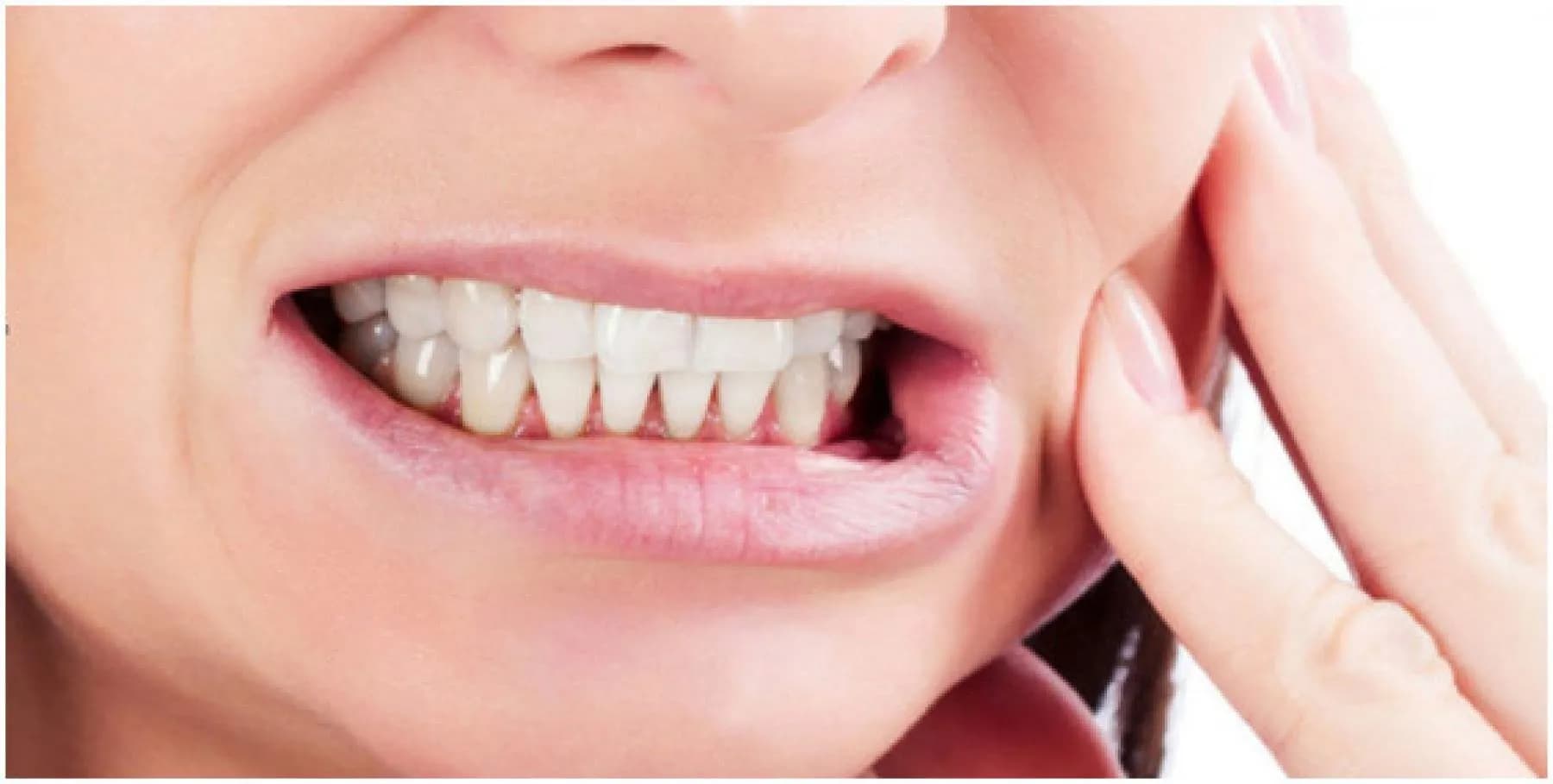
Clenching and grinding means the teeth being pressed forcefully together outside of chewing. Brief, mild forms are common; but when it becomes frequent, it can leave its mark on the teeth and jaw structures.
The main signs to look out for are:
- Grinding sounds that can be heard during sleep
- Tiredness or tension around the jaw in the morning
- Flattening and wear on the tooth surfaces
- Increased sensitivity to hot and cold
- Headaches around the temples, or clicking and tenderness in the jaw joint
When should teeth grinding in children be taken seriously?
Teeth grinding in children can occur particularly during teething periods and, in most cases, lessens on its own as the child grows. Not every grinding sound is therefore a sign of disease.
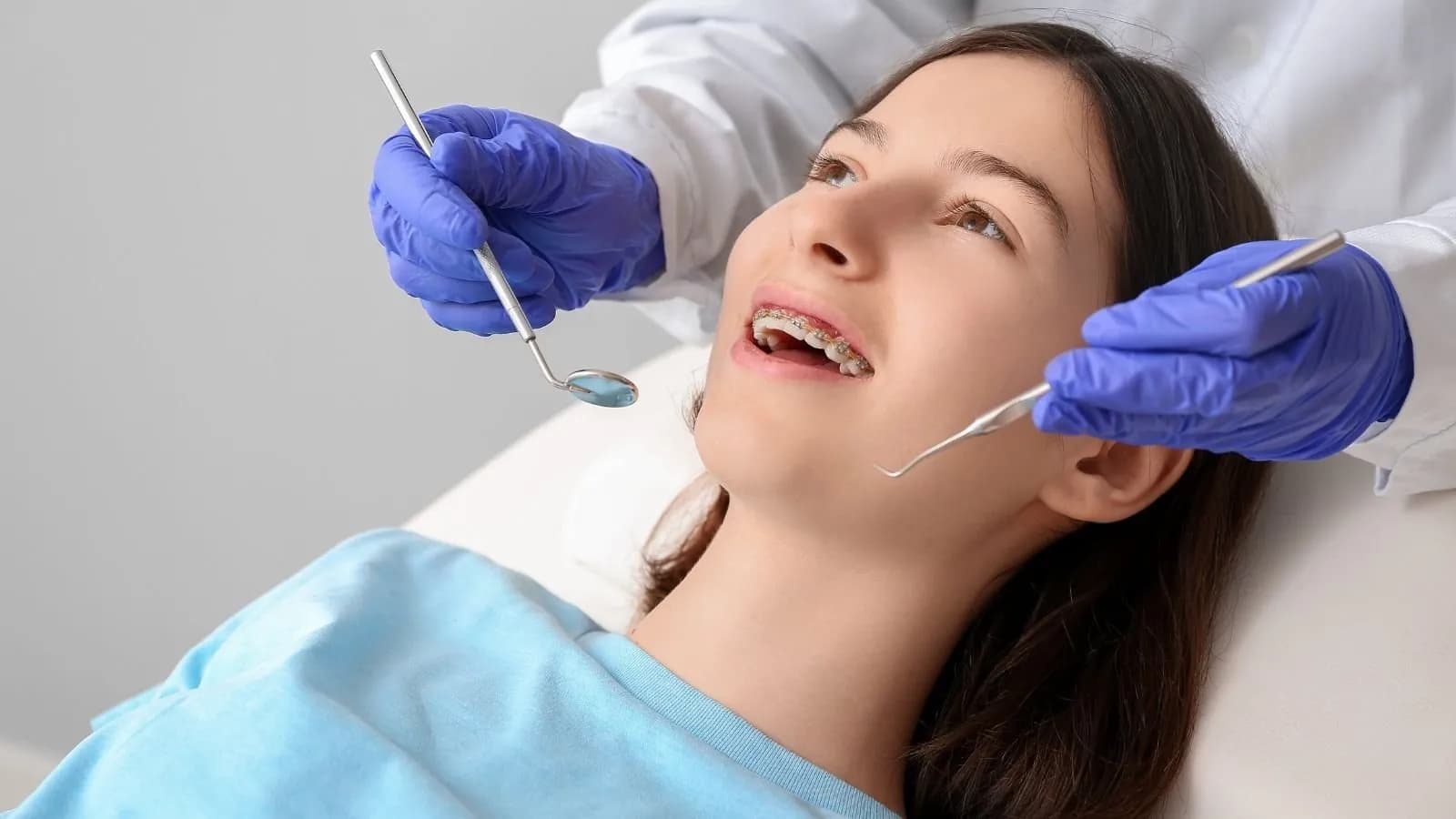
That said, an assessment is needed if the grinding is accompanied by noticeable tooth wear, pain, reluctance to chew or sleep problems. Regular pediatric dental check-ups mean wear is spotted early and timely measures can be taken if needed; if there is a finding related to the bite, an orthodontic evaluation is added to the process.
Possible causes and triggers
Bruxism has no single cause; it usually arises from a combination of factors. Stress and anxiety, changes in sleep patterns, bite discrepancies and certain habits are among the factors most often cited.
In children, life changes such as starting school or the arrival of a sibling can also trigger temporary grinding phases. The aim of the assessment is to understand the individual picture and shape management accordingly; claiming one single definitive cause would not be realistic.
Treatment and management options
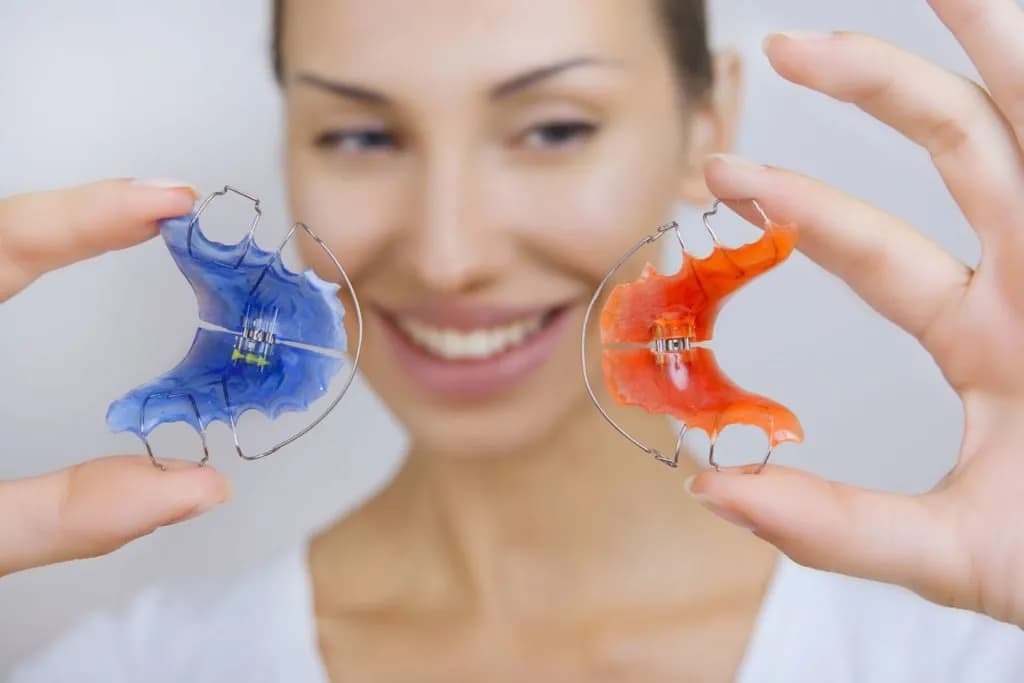
Management is personalized according to the severity of the findings and the patient's age. In adults and children of a suitable age, a custom-made night guard (occlusal splint) that protects the teeth from wear is a frequently used approach; the decision to use one rests with the dentist.
If a bite-related factor is identified, an orthodontic evaluation is planned. Advice on sleep routines and relaxation habits supports the process; teeth with significant wear receive restorative follow-up. Where necessary, care is coordinated with the relevant medical specialties.
The treatment, step by step
Examination and history
Symptoms, sleep patterns and habits are discussed; in children, the family's observations are taken into account.
Wear and bite assessment
The tooth surfaces, bite relationship and jaw joint are examined; the orthodontics specialist joins the assessment if needed.
Personalized management plan
Depending on age and findings, options such as a night guard, an orthodontic evaluation or monitoring are planned.
Follow-up check-ups
The course of the wear and the symptoms are monitored at regular check-ups; the plan is updated when needed.