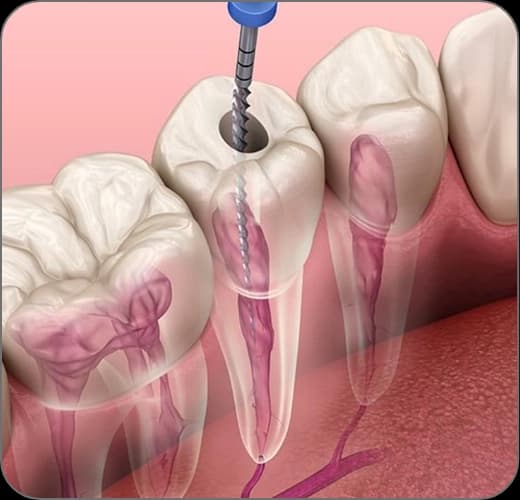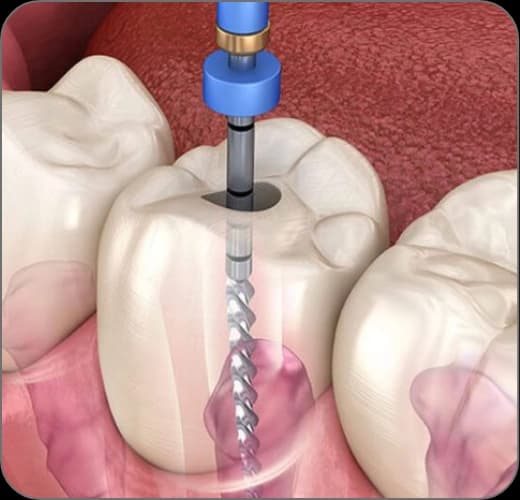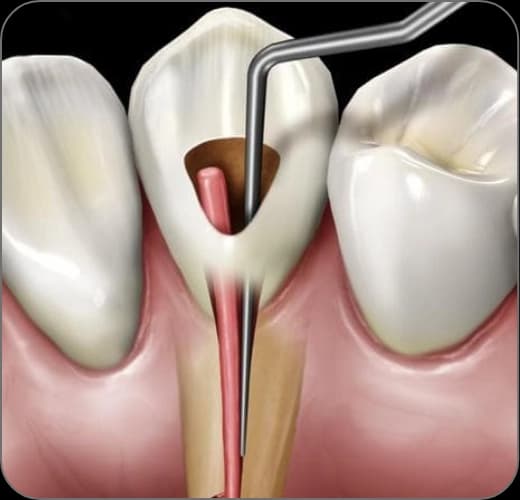
Pulpotomy (vital pulpotomy) is performed when deep decay has reached the nerve of a baby tooth but signs of irreversible inflammation have not yet appeared. Only the affected portion of the nerve in the crown is removed; the healthy tissue in the roots is protected with biocompatible materials so the tooth stays vital. The baby tooth can then keep holding space for the permanent tooth beneath it until it falls out at its natural time.
What Is a Pulpotomy, and Why Is It Specific to Baby Teeth?
In permanent teeth, when decay reaches the nerve, root canal treatment — in which the entire nerve is removed — is usually performed. In baby teeth the aim is different: since the tooth will fall out naturally in due course, only the inflamed upper (crown) portion of the nerve is removed instead of all of it, and the healthy tissue in the roots is protected with special materials.
This approach keeps the tooth vital: the baby tooth continues to perform its chewing and speech functions and to guide the permanent tooth developing beneath it.
The Baby Tooth Will Fall Out Anyway — Why Treat It?
This is one of the questions parents ask most often, and it is entirely understandable. Baby teeth, however, do far more than chew: they play a role in speech development and are the most natural space maintainers for the permanent teeth to come.
When a baby tooth is lost prematurely, the neighboring teeth begin to drift into the gap; the space for the permanent tooth narrows, and it may remain impacted or erupt in the wrong position, leading to crowding. A prematurely extracted tooth usually has to be replaced with an appliance called a space maintainer. Pulpotomy aims to prevent this chain of problems by keeping the tooth in place and alive.
When Is It Used?
Pulpotomy is appropriate when deep decay has reached the pulp but the tooth has kept its vitality. If the examination and X-ray show that the pulp in the root portion is healthy, the affected tissue in the crown is removed and the treatment is completed.
If there are findings such as spontaneous night pain, an abscess, a fistula or unusual looseness of the tooth, the pulp may be irreversibly affected; a pulpotomy is then not enough, and options such as treating the root canals, or extraction followed by a space maintainer, are considered. Clinical examination and X-rays are used together to decide on the right treatment.
Materials Used and the Modern Approach
Pulpotomy materials in pediatric dentistry reflect a shift in philosophy: where the old aim was to fix the remaining tissue with chemicals, today the goal is to support the tissue's healing and self-repair with biocompatible materials.
Calcium silicate-based materials such as MTA and Biodentine are the preferred choice today thanks to their tissue-friendly structure and their ability to support healing. Formocresol, once widely used, has largely been abandoned because of concerns about its possible side effects.
After a pulpotomy, baby teeth with extensive tissue loss are usually covered completely with a stainless steel crown — or a zirconia crown where esthetics matter — protecting the tooth against new decay and fracture.
A Comfortable Experience for Your Child
Assoc. Prof. Dr. Sezin Özer performs pulpotomy treatments at her clinic in Atakum, Samsun, at a pace that respects each child: the procedure is explained in age-appropriate language using behavior guidance techniques such as tell-show-do, and is carried out comfortably under local anesthesia.
For children who find it hard to settle in the chair, or who have special needs, treatment can be completed safely under sedation or general anesthesia. The aim is for the child's experience of dentistry to be built on trust, not fear.
The treatment, step by step
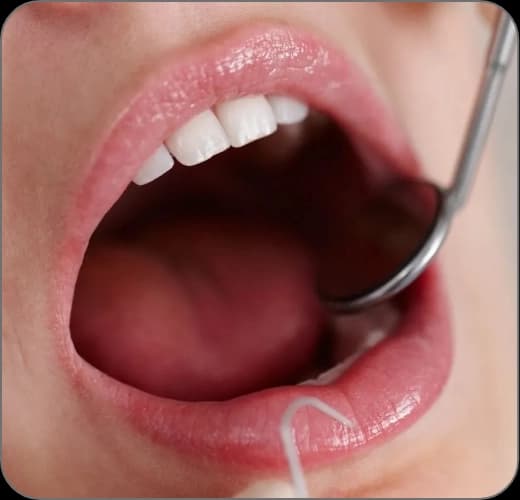
Examination and X-ray
The condition of the pulp, root development and the position of the permanent tooth beneath are assessed before deciding on treatment.
Anesthesia and preparation
The area is numbed with local anesthesia, and the child is prepared for the procedure with behavior guidance techniques.
Removing the crown pulp
The decayed tissue and the affected upper portion of the nerve are carefully removed.
Biocompatible dressing
The healthy pulp in the roots is covered and protected with a tissue-friendly material such as MTA or Biodentine.
Crown restoration
The tooth is usually covered with a stainless steel or zirconia crown, and healing is monitored at check-ups.