A tooth that has had root canal treatment may, in rare cases, fail to heal or cause problems again years later. Root canal retreatment is a delicate procedure in which the old root filling is removed and the root canal system is cleaned, disinfected and resealed to save the tooth from extraction. At our clinic in Atakum, Samsun, retreatments are carried out with detailed planning focused on the cause of the initial failure.
Why Can a Root Canal Treatment Fail?
Root canal treatments performed with modern techniques have a high success rate; however, biological processes do not follow the same course in every patient, and a treated tooth can become reinfected over time. Before deciding on retreatment, the reason the first treatment did not deliver the desired result is investigated carefully — a repeat that does not address the same problem will not achieve lasting healing.
The main causes underlying failure are:
- A missed, untreated canal
- Insufficient disinfection during the first treatment
- Unusually complex root anatomy that is difficult to reach
- A new cavity or a leaking restoration that developed after treatment
- A vertical crack developing in the root of the tooth
- A procedural complication during the first treatment
Which Signs Point to the Need for Retreatment?
Pain in a root-treated tooth that persists or returns, tenderness when chewing, gum swelling, or a pimple-like bump on the gum that occasionally discharges pus (a fistula) may signal the need for retreatment.
In some cases the tooth causes no complaints at all, and the infection at the root tip is discovered during a routine X-ray check. This is why root-treated teeth should be checked at regular intervals, so problems can be caught before they grow.
How Is Retreatment Performed?
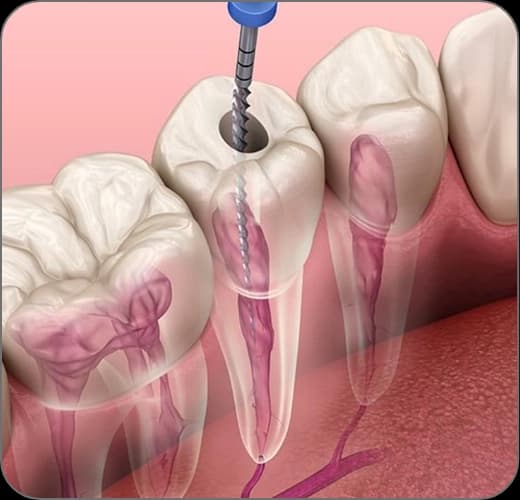
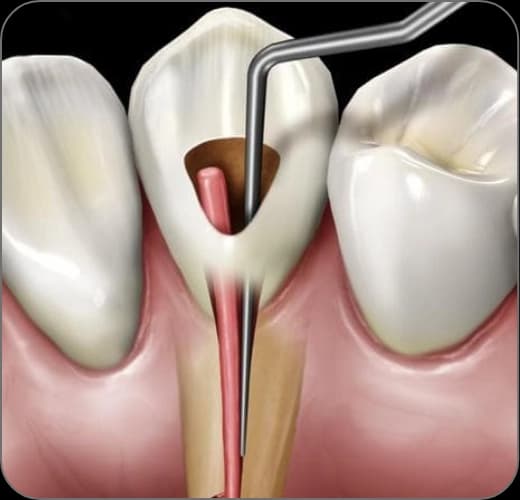
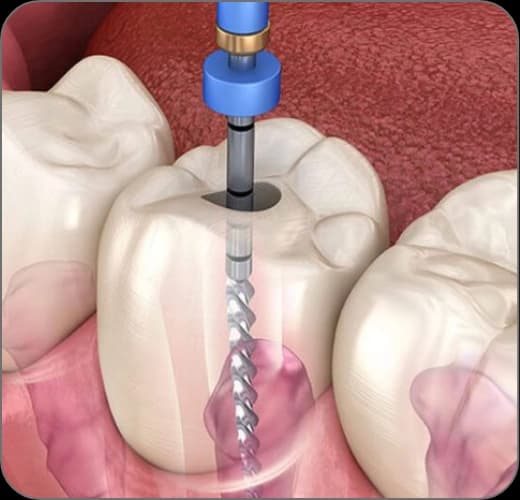
Root canal retreatment is not a simple repeat of the first treatment; it is a far more comprehensive and delicate procedure. First, the old crown or fillings on the tooth are removed. The old filling material inside the roots is then carefully taken out using special instruments, solutions and, where needed, optical magnification systems.
During this stage, the problem that caused the first treatment to fail — a canal that was never found, for example — is identified and corrected. Once the entire canal system has been disinfected again, it is sealed tightly with up-to-date materials and techniques. The procedure is performed under local anesthesia and is comfortable for most patients.
Retreatment or Another Option?
Root canal retreatment is the most conservative way to save a troubled tooth from extraction and is considered the first choice in most cases. In certain situations where the root tip cannot be reached through the canal, a minor surgical procedure called apicoectomy (root-end resection) may come into consideration.
Where the tooth has become too weak to restore, or the root has an advanced crack, extraction and the options for replacing the tooth are discussed together with the patient. At our clinic, the decision is made by weighing the restorability of the tooth, the root anatomy and the patient's overall oral health.
The treatment, step by step
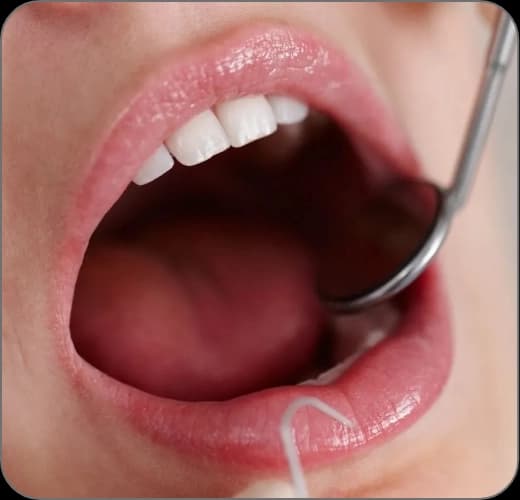
Assessment and imaging
The previous treatment is examined on X-rays; where needed, advanced imaging is used to investigate the cause of failure and plan the treatment.
Removing the old fillings
The crown or filling on the tooth and the old filling material inside the canals are carefully removed.
Correcting the problem
Causes of failure, such as a missed canal, are identified; the canals are reshaped and disinfected.
Refilling
The cleaned canal system is resealed tightly with up-to-date materials.
Permanent restoration and follow-up
The tooth is protected with a permanent filling or crown, and healing is monitored with regular check-ups.