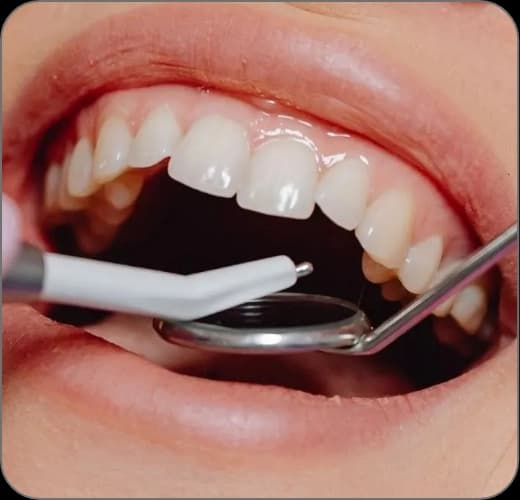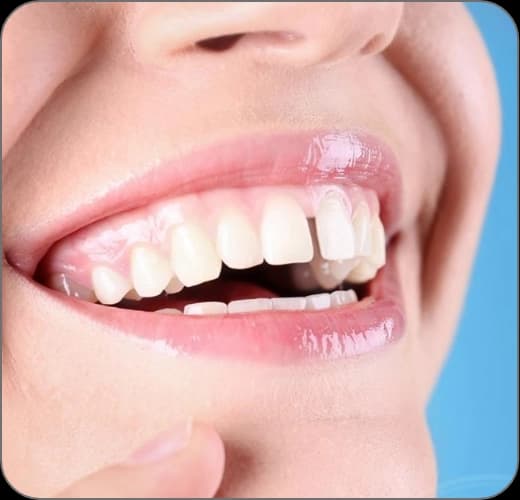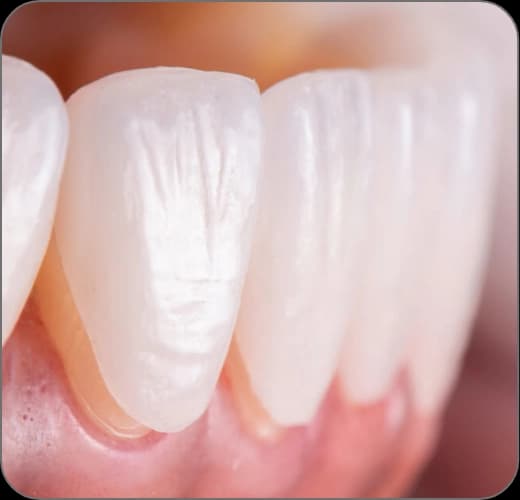
Composite veneers (bonding) are aesthetic restorations created by layering and sculpting tooth-colored composite directly onto the visible surfaces of the front teeth. Because no laboratory stage is required, treatment is usually completed in a single visit, with little or no removal of healthy tooth structure. At our clinic, they are applied individually after a thorough examination and planning.
What are composite veneers and how are they placed?
Today's nanofilled composites — with their high durability, good wear resistance and long-lasting polish — can achieve results in front-tooth aesthetics that come close to the natural look of ceramics. The material bonds chemically to the enamel surface and is shaped directly in the mouth by the dentist.
This direct technique means you see the result in the same visit, and fine adjustments can be made on the spot whenever needed.
Who is a good candidate?
Composite veneers are a strong option when limited corrections are all that is needed:
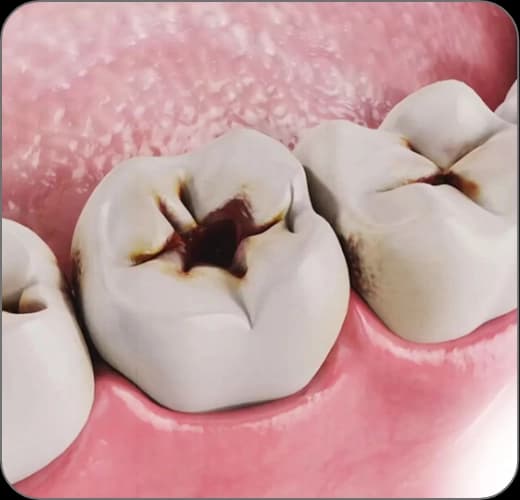
If there is active decay or gum disease, these are treated first; aesthetic treatments are always planned on a healthy foundation.
- Chipped or worn incisal edges
- Narrow gaps between teeth (diastema)
- Irregularities of shape and size
- Localized discoloration that does not respond to whitening
- Visual correction of mild misalignment
How do they differ from porcelain veneers?
Composite veneers are placed in a single visit, without a laboratory stage and usually with less tooth reduction; if they chip or wear, they can be repaired directly in the mouth. Porcelain veneers, on the other hand, hold their color stability and surface gloss for longer, but require a laboratory process and generally more preparation.
Which option is right for you depends on the condition of your teeth, your bite relationship, your expectations and your habits — all weighed together at the examination.
Longevity and care
The lifespan of composite restorations is directly linked to bite forces, diet and care habits. Dullness that develops over time can usually be corrected with a short polishing visit, and small chips can be repaired without replacing the restoration. For a long service life, we recommend:
- Using a non-abrasive toothpaste and a soft-bristled brush
- Using dental floss or interdental brushes daily
- Avoiding mouthwashes that contain alcohol
- Avoiding habits such as nail biting or chewing on pens and ice
- Wearing a night guard regularly if you grind your teeth
- Keeping up regular check-ups and professional cleanings
The treatment, step by step
Examination and planning
The color, shape and bite relationship of your teeth are assessed; the target look is defined together.
Surface preparation
The enamel surface is prepared for bonding; in most cases no drilling is needed.
Layering the composite
Composite matched to your tooth shade is applied in layers and hardened with a curing light.
Sculpting
The tooth's natural anatomy and its harmony with the neighboring teeth are refined with fine adjustments.
Polishing and check
The surface is polished, the bite is checked and care instructions are explained.