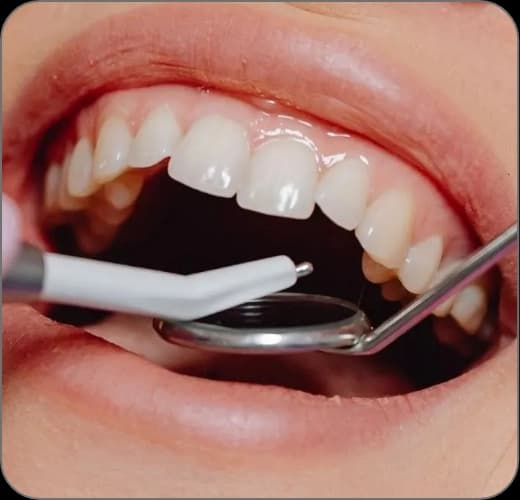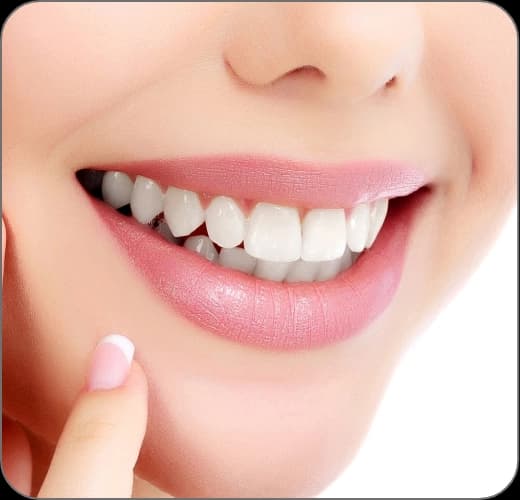
Smile design is a personalized planning process that unites scientific data with an artistic approach, analyzing facial features, lip structure and gum aesthetics together. The goal is not simply white, straight teeth, but a natural, healthy smile in harmony with the gums and the face. At Dental Prime, the process is guided by digital planning and an in-mouth try-in (mock-up).
What is smile design?
Smile design is the joint aesthetic and functional planning of everything that becomes visible when you smile — teeth, gums, lips and face. It is not limited to the color or shape of individual teeth; it treats each tooth as part of the bigger picture.
This holistic goal is usually a team effort: orthodontics for tooth position, periodontology for gum health and pink aesthetics, and restorative dentistry for the finishing touches all work in coordination. At our clinic, these specialties are under one roof.
Health first, then function, aesthetics last
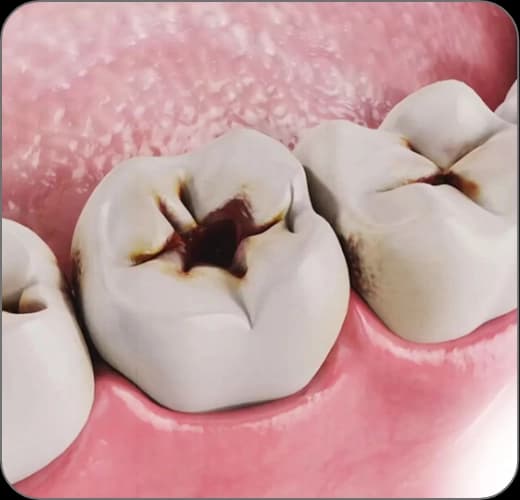
In aesthetic dentistry, treatment follows an unchanging order of priorities. No aesthetic procedure begins while there is active decay or gum disease in the mouth; the first step is always to establish a healthy foundation.
Function comes second: the bite relationship, the health of the jaw joint and a balanced distribution of chewing forces are critical if the planned restorations are to serve trouble-free for years. Aesthetics are then built on this solid base — lasting beauty is largely the reflection of correct function.
Assessment: macro and micro aesthetics
A systematic smile analysis moves from the wide view down to the detail. Macro aesthetics examines facial symmetry, lip dynamics, the smile line and the proportion of tooth to gum visible when smiling. Micro aesthetics focuses on a single tooth — its color, form and the way it reflects light.
The secret of a natural look lies in the details: while mirror symmetry is the aim for the upper central incisors, the lateral teeth call for a "dynamic symmetry" — similar but not identical. A smile arc parallel to the curve of the lower lip, harmonious gum levels and natural transitions between the teeth are what keep a design from looking artificial.
The gums: pink aesthetics
The gums are like a picture frame for the teeth; their health and symmetry form the foundation of the aesthetic result. In harmonious pink aesthetics, the gum levels of the central incisors should be aligned, and the triangular gum tissue between the teeth (the papilla) should fill the spaces naturally.
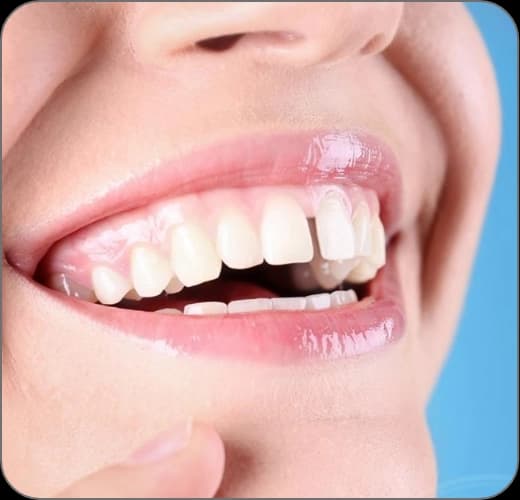
Conditions such as a "gummy smile", where a prominent band of gum shows when smiling, can be included in the treatment plan with gum-contouring procedures if they bother the patient.
Materials and longevity
The design is brought to life with modern materials such as porcelain veneers, glass ceramics (e.max), zirconia and composite. Feldspathic porcelain excels at mimicking the natural transitions of enamel, glass ceramics balance aesthetics with strength, and zirconia is preferred where high resistance is required.
In material selection, Assoc. Prof. Dr. Sezin Özer's academic research on the biocompatibility of restorative materials is an important source of confidence for our clinic.
How long the result lasts depends on the quality of the material, the precision of the work and daily care habits combined. A night guard for those who grind their teeth, and regular check-ups and professional cleanings for everyone, help keep the new smile looking as it did on day one.
The treatment, step by step
Consultation and data collection
We listen to your expectations; high-resolution photographs, videos capturing your lip dynamics and digital impressions with an intraoral scanner are taken.
Analysis and treatment plan
Facial, lip, tooth and gum data are analyzed against aesthetic principles; orthodontic or gum treatments are added to the plan if needed.
Mock-up try-in
The planned smile is first tested on a model, then tried in your mouth with a temporary material — you see and approve the result before treatment begins.
Treatment
Following the approved plan, whitening, gum contouring and the final restorations are carried out on a minimally invasive principle.
Care and long-term follow-up
Care advice — and a night guard where needed — support the longevity of the result; regular check-ups are scheduled.