A porcelain crown is a fundamental prosthetic treatment that wraps 360 degrees around a structurally weakened tooth like a cap, both protecting it and restoring its shape and function. At our Dental Prime clinic, crown treatment is planned and carried out by our team of dentists after assessing the tooth's condition and bite relationships.
What Is a Porcelain Crown?
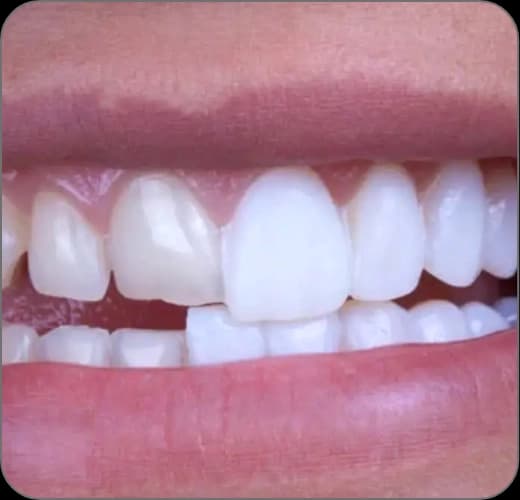
A crown is a full-coverage restoration that covers all the visible surfaces of a tooth. Its purpose is not only aesthetic: after extensive decay, fracture or root canal treatment, it restores the strength a tooth has lost against chewing forces and helps prevent it from breaking.
Unlike a veneer, which covers only the front surface, a crown requires controlled removal of tooth structure from all surfaces in order to provide this comprehensive protection. In short, a veneer is built around “enhancement”, while a crown is built around “protection and repair”.
When Is a Crown Needed?
A crown often becomes a necessity rather than a choice if the tooth is to stay healthy and remain in the mouth. The main situations are:
- Decay too extensive to be restored with a filling
- A large fracture or cracks in the tooth
- Root canal treated teeth (especially back molars)
- Severely worn and shortened teeth
- Large old fillings that leak or are at risk of fracture
- A supporting abutment needed for a bridge restoration
- A crown or bridge placed on an implant
Porcelain Crown Options
The main materials used in crown substructures are porcelain fused to metal (PFM), zirconia and lithium disilicate glass ceramic (E-max). Porcelain fused to metal is a long-established option with proven durability; because of the underlying metal it appears more opaque, and if the gums recede a grey line may become visible at the margin.
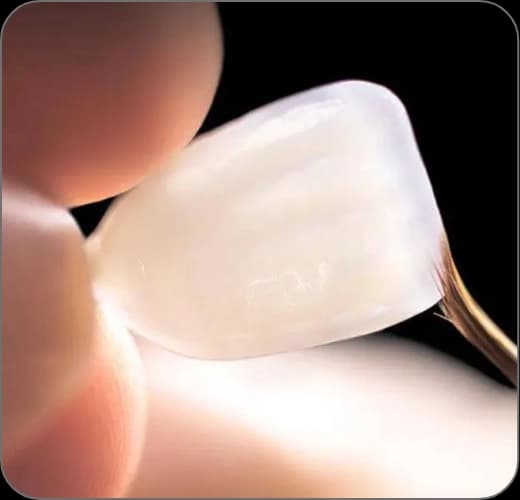
Zirconia offers a metal-free substructure with high fracture resistance and biocompatibility, while E-max provides near-natural aesthetics through its light transmission, especially in the front of the mouth. The right material is determined together with your dentist according to the tooth's position, bite forces and your aesthetic expectations; each material offers a different balance.
Shade Selection and a Natural Look
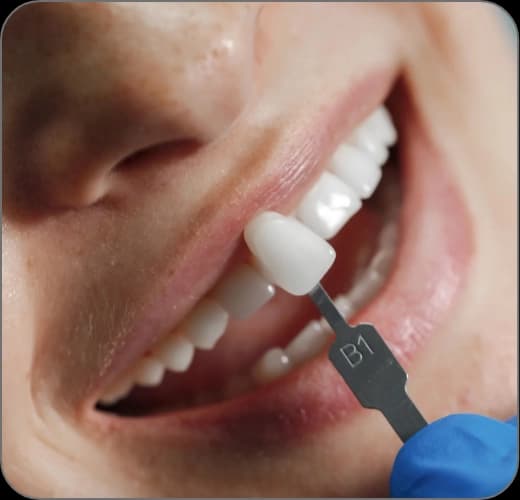
A successful crown is measured not only by its shape but also by how well its colour matches the neighbouring teeth. Shade is assessed across three dimensions: base hue, saturation and brightness. Brightness is the value the human eye notices most easily, so getting the brightness value right is the priority in shade selection.
Alongside porcelain shade guides, digital shade measurement devices and high-resolution photographs taken from different angles are used when needed. This ensures the tooth's surface texture, translucent areas and subtle colour transitions are conveyed accurately to the laboratory.
Aftercare and Check-ups
The crown itself does not decay; however, the margin where the crown meets the tooth is the highest-risk area for plaque build-up, and the natural tooth tissue underneath can decay. Brushing at least twice a day, daily use of dental floss or interdental brushes, and a check-up every six months form the foundation of care.
Avoiding very hard, sticky and crusty foods for the first 24 hours is recommended so the cement can reach full hardness. After that, not biting hard objects, not using your teeth as tools, and wearing a night guard if you clench your teeth all help keep the crown healthy.
The treatment, step by step
Examination and planning
The tooth is examined in detail and an X-ray is taken; the crown type and material are decided together, based on the tooth's condition and your expectations.
Preparing the tooth
The tooth is reduced comfortably under local anaesthesia to the shape the crown will fit over; tooth structure is preserved as much as possible during the procedure.
Impression and temporary crown
A laboratory model is created from a conventional impression or an intraoral digital scan; a custom temporary crown is fitted until the permanent one is ready.
Try-in
The colour, shape, gum fit and bite of the permanent crown are carefully checked; any necessary corrections are made.
Cementation and final check
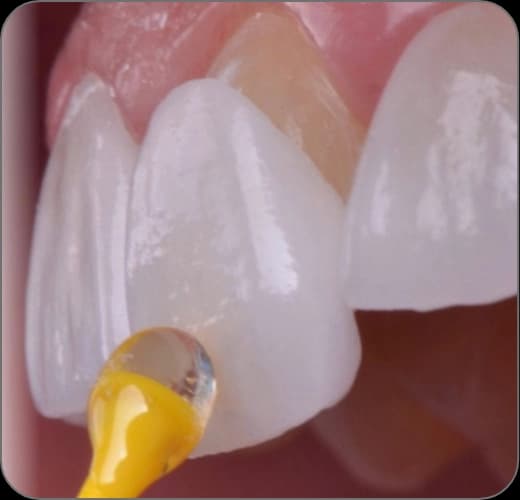
Once you approve, the crown is permanently cemented with a special cement, excess material is removed and the bite is checked one last time.