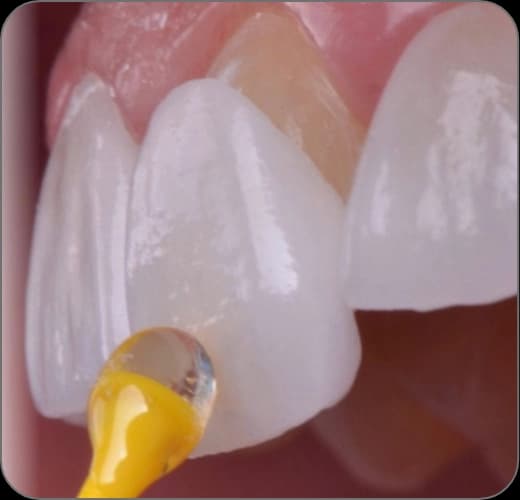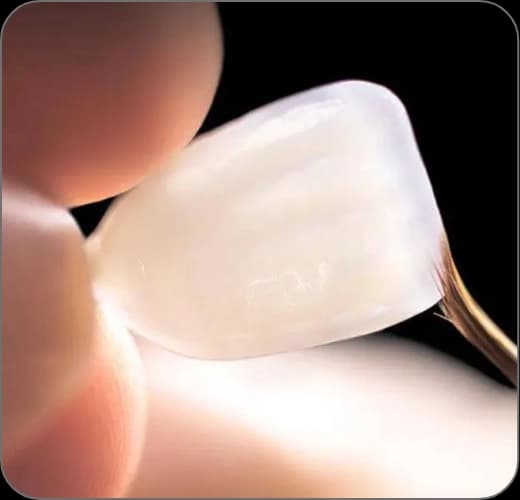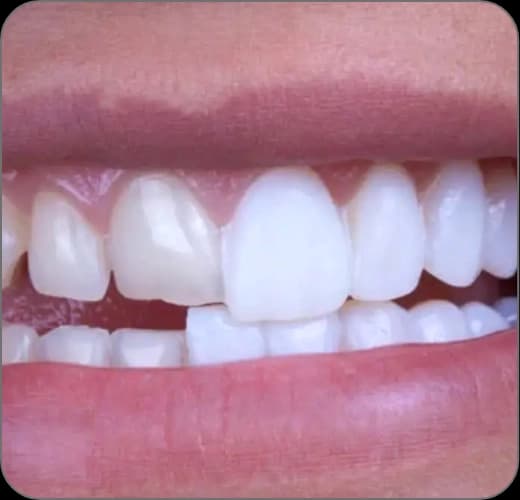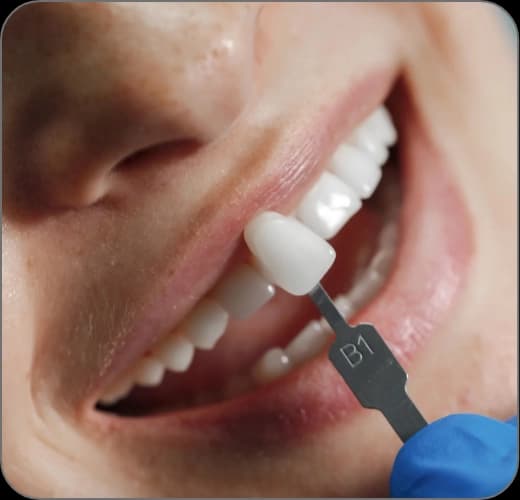
Zirconia crowns are a modern crown option produced without a metal substructure, known for their durability and gum-friendly nature. At our Dental Prime clinic, zirconia crowns are planned by our team of dentists after assessing the tooth's position in the mouth, bite relationships and your aesthetic expectations.
What Is a Zirconia Crown?
Zirconia is a white, metal-free ceramic material used in dentistry as a substructure for crowns and bridges. A zirconia crown wraps around the tooth like a cap, covering it 360 degrees; it both restores an aesthetic appearance and protects weakened tooth structure against chewing forces.
The grey shine-through and dark line at the gum margin that can occur with metal-based crowns are eliminated with zirconia, because the substructure itself is tooth-coloured. New-generation translucent zirconia types offer increasingly refined aesthetic results as well.
Key Properties of Zirconia
The main properties behind the popularity of zirconia are:
- Contains no metal; no risk of allergy or grey shine-through
- Biocompatible and works in harmony with the gum tissue
- High fracture resistance; suitable for back teeth and bridges
- Can mask dark underlying tooth structure or old restorations
- Considered for its durability in patients who tend to clench their teeth
When Is Zirconia Considered?
Zirconia crowns come into consideration for extensive decay that cannot be restored with a large filling, for root canal treated teeth that have become brittle, for severely worn teeth, for teeth serving as bridge abutments, and where an implant-supported crown is needed.
Back teeth exposed to heavy chewing forces, cases where durability is the priority, and situations where a dark underlying colour must be masked are typical areas where zirconia is considered. Which material suits which tooth is decided based on the examination findings.
Zirconia, E-max or Porcelain: How to Choose?
There is no single right answer among crown materials; each offers a different balance of aesthetics and durability. Zirconia stands out for its fracture resistance, while lithium disilicate glass ceramics (E-max) offer a more translucent, lifelike appearance thanks to their light transmission; porcelain fused to metal is a long-established, economical alternative.
The choice depends on whether the tooth is in the front or back of the mouth, the bite forces, any teeth-clenching habit and your aesthetic expectations. Your dentist weighs these variables with you and recommends the material best suited to your tooth.
Caring for Zirconia Crowns
Zirconia crowns do not decay; however, the natural tooth tissue at the crown margin and the surrounding gums still need care. Brushing twice a day, using dental floss or interdental brushes, and a dental check-up every six months are the foundation of keeping the crown healthy.
For patients who clench or grind their teeth, wearing a night guard helps protect both the crowns and the natural teeth from excessive load.
The treatment, step by step
Examination and planning
The condition of the tooth, bite relationships and aesthetic expectations are assessed; the material and design are decided together with the X-ray findings.
Preparing the tooth
The tooth is reduced comfortably under local anaesthesia to the shape the crown will fit over; an impression or digital scan is taken.
Temporary crown
While the permanent crown is being produced in the laboratory, the prepared tooth is protected with a custom temporary crown.
Try-in
The colour, shape, gum fit and bite of the zirconia crown are checked carefully; any fine adjustments needed are made.
Cementation and final check
Once you approve, the crown is permanently cemented with a special cement; the bite is checked one last time and care recommendations are shared.