Healthy gums do not bleed during brushing or flossing; bleeding is most often the first and most important sign of gum inflammation. Caught early, treatment is usually straightforward and the tissue can return to health. When patients come to our clinic with bleeding gums, the source of the bleeding is identified first; treatment then follows a plan that ranges from professional cleaning to personalized coaching in home care.
Why do gums bleed?
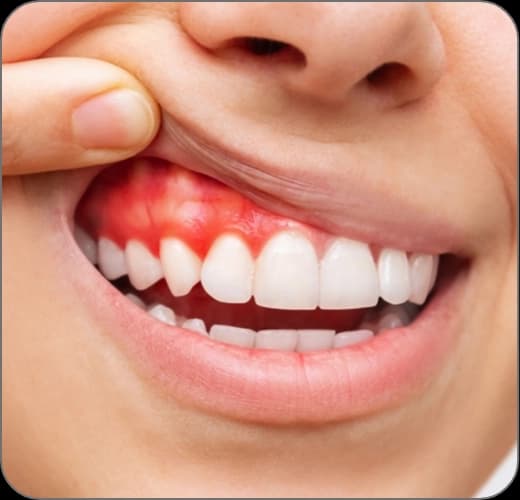
The most common cause is inflammation (gingivitis) triggered by bacterial plaque accumulating along the line where tooth meets gum. As the body mounts a defense against this bacterial build-up, the gums become red, swollen and bleed at the slightest touch. Healthy gums are pale pink and firm; a red, shiny, swollen appearance is a sign that the balance has been disturbed.
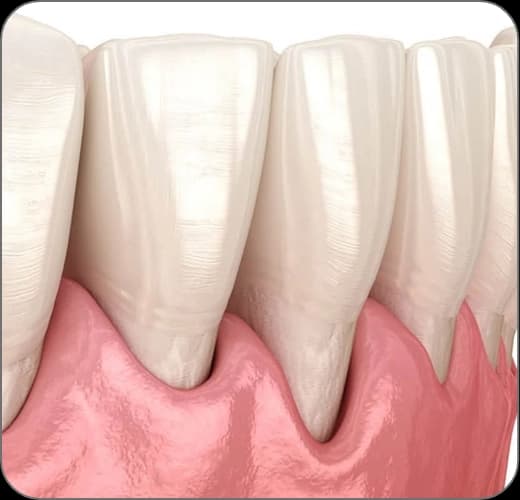
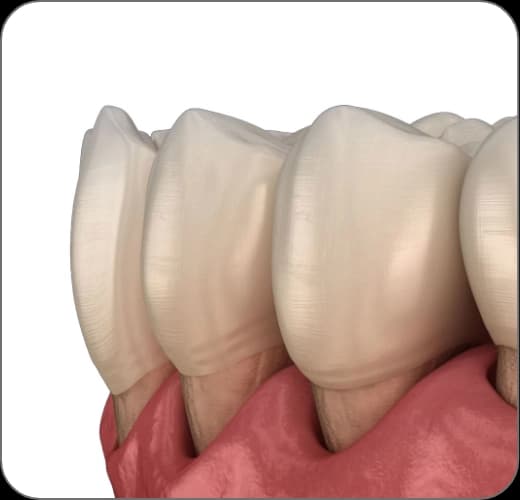
Treating the bleeding as normal and avoiding brushing the area that bleeds is a common mistake that accelerates the process: plaque left in place increases the inflammation, and more inflammation means more bleeding. If this cycle is not broken, gingivitis can progress to periodontitis, in which the bone supporting the tooth is destroyed.
Causes beyond plaque
Plaque is not the only possible cause. Hormonal phases such as pregnancy and puberty can make the gums more sensitive and prone to bleeding; certain medications (blood thinners, for example) and systemic conditions such as diabetes can also influence the picture. Mechanical irritation — from hard brushing, an unsuitable toothbrush or ill-fitting filling and denture margins — can likewise lead to bleeding.
For stubborn or widespread bleeding, treatment therefore never stops at a cleaning alone; the general health history, current medications and habits are reviewed together, and other physicians are consulted when necessary.
Bleeding gums in children
Bleeding gums are not limited to adults; in children whose brushing habits are still taking shape, plaque-related gingivitis and bleeding are common. During the period when teeth are changing, temporary tenderness and bleeding can also appear around loosening baby teeth and newly erupting teeth.
At our pediatric dentistry-focused clinic, children's gum health is assessed at every check-up. When a child presents with bleeding, the cause is identified first; age-appropriate brushing instruction and a gentle professional cleaning are usually all that is needed. The aim is to protect the child's gum health while turning the dental visit into a positive habit.
How is treatment planned?
The first step is the professional removal of the plaque and tartar that are the source of the bleeding. For bleeding at the gingivitis stage, this cleaning plus consistent home care is usually sufficient; the gums generally settle quickly and the bleeding subsides.
If the examination shows increased pocket depths and inflammation advancing below the gumline, treatment is deepened with root planing (deep cleaning). The most important factor for a lasting result is the care maintained at home: brushing twice a day with the correct technique, daily cleaning between the teeth and check-ups at the recommended intervals.
The treatment, step by step
Identifying the source
The gums are examined and pocket depths measured; it is assessed whether the bleeding is linked to plaque, mechanical irritation or systemic factors.
Professional cleaning
The plaque and tartar deposits triggering the bleeding are removed with ultrasonic devices and hand instruments.
Deep cleaning where needed
In areas where the inflammation has advanced below the gumline, root planing is performed under local anesthesia.
Home care coaching
Correct brushing technique and cleaning between the teeth are taught one-to-one; suitable brushes and products are recommended.
Follow-up
The improvement in bleeding is monitored at check-up visits; a personalized check-up interval is set.